The 2024 George Town Literary Festival (GTLF) arrived at the end of November with a simple but loaded proposition: “Word on the Street.” Over three days, George Town’s heritage core, Bangunan UAB, Bangunan Wawasan and the surrounding lanes, became a dense weave of conversations, readings and performances trying to catch the cadences of everyday urban life. Malaysia’s flagship literary festival has long been international in scope, but this edition felt especially plugged into its immediate surroundings, as if the streets outside were not merely a backdrop but a co-author.
The theme could easily have slipped into tourist branding. Instead, the festival treated “Word on the Street” as a serious organising idea. Across the programme, conversations about class, language, gender, protest, migration and urban inequality resurfaced in different keys. Sessions returned, again and again, to the question of who gets heard in a rapidly changing city, and even who is written out of the picture. Gossip, rumour, hashtags, political slogans, overheard conversations in kopitiams: all of these were understood as forms of “street literature”, messy but generative.
This framing shaped both tone and content. A panel with the wry title “So, word on the street is…” took gossip … so often dismissed as idle talk … and examined how it polices communities, but also how it can protect the vulnerable, spread warnings and encode histories that never make it into official archives. Elsewhere, discussions of housing precarity and gentrification reminded audiences that Penang’s most Instagrammed alleys are also contested spaces, where capital, heritage policy and memory collide.
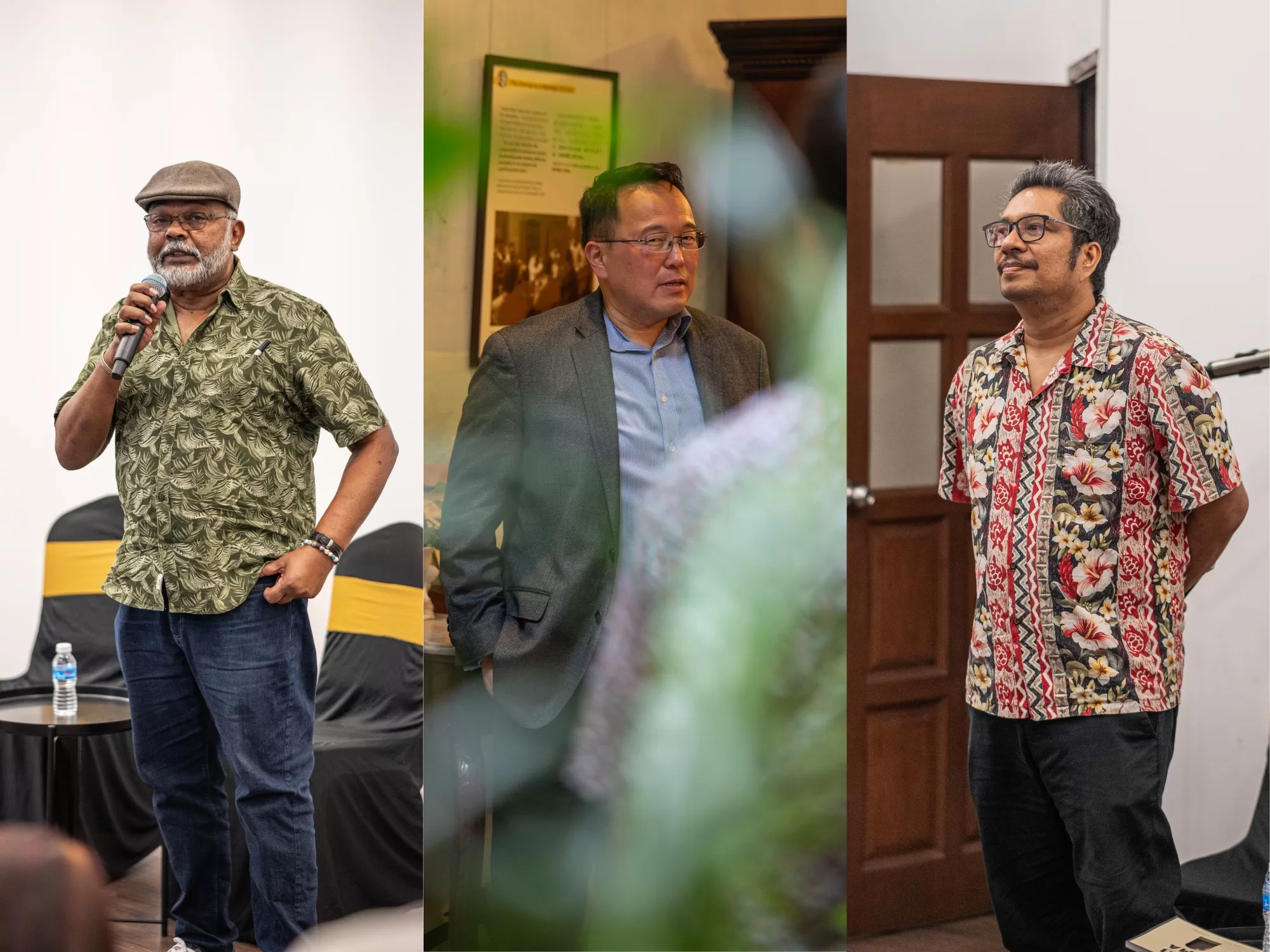
Programming has always been one of GTLF’s strengths, and 2024 continued that tradition. The line-up balanced Malaysian, regional and international names in a way that felt organic rather than tokenistic. Booker-shortlisted novelist Tan Twan Eng provided a keynote that anchored the festival in the long arc of Malaysian English-language fiction, while writers such as Dipika Mukherjee, Shivani Sivagurunathan, and cartoonist-reporter Clément Baloup stretched the conversation across borders, genres and visual forms. Political scientists and commentators appeared alongside poets and novelists, making it clear that the “literary” here was understood in its broadest sense: an arena where stories, data and policy all intersect.
A particularly strong thread ran through the festival’s attention to women’s writing and gendered experience. The panel “Women, Words, and Worlds” with Hanna Alkaf and Lee Su Ann, moderated by Saras Manickam, turned a Sunday morning into an unexpectedly electric hour. The trio moved nimbly from YA horror to domestic realism, from girls as monsters to mothers as reluctant heroes, asking what happens when “Malaysian womanhood” becomes a marketable label and how writers can resist flattening themselves into brand-friendly versions of that identity. The room was full, the mood informal, but the questions lingered long after the session ended.
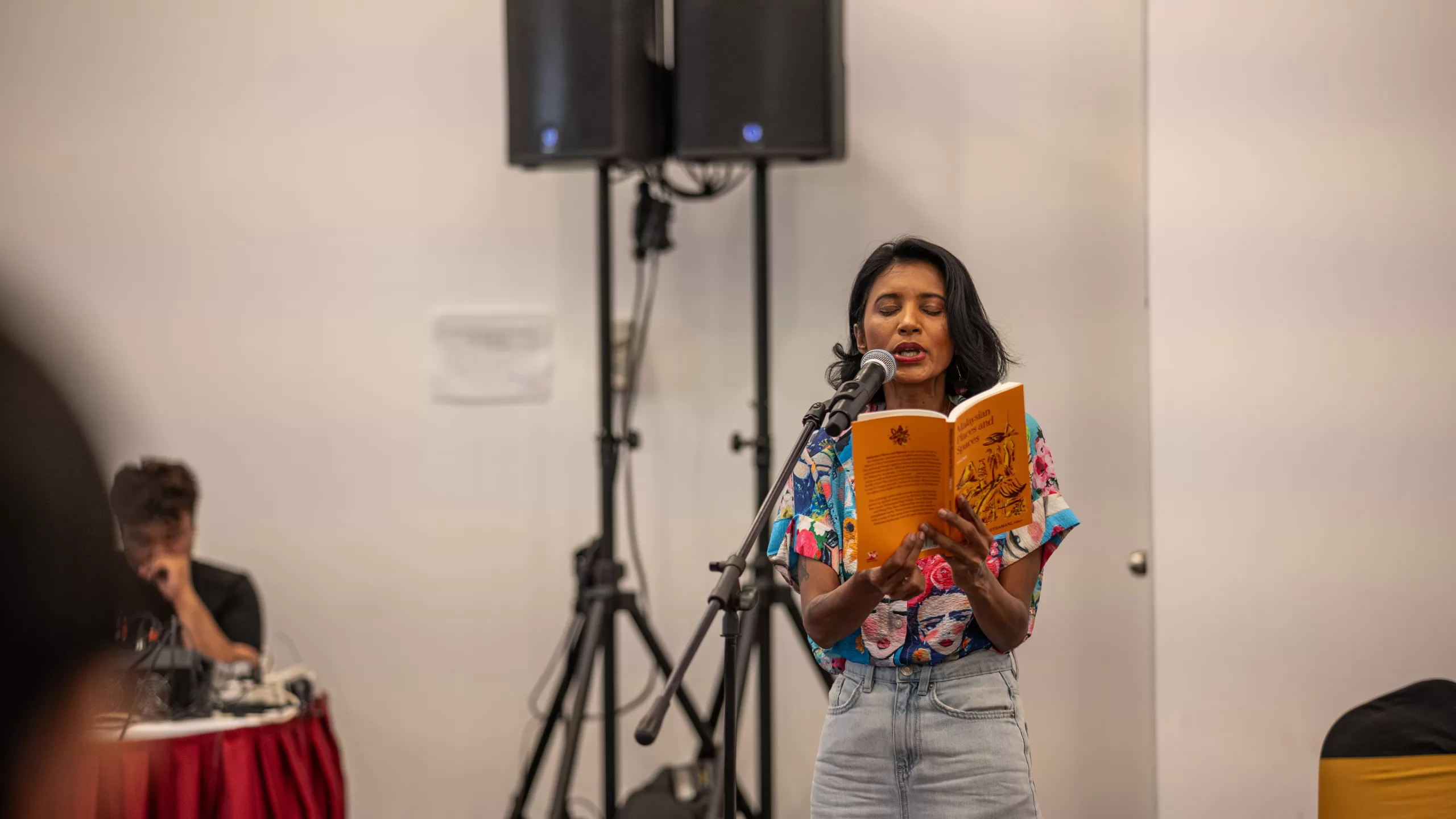
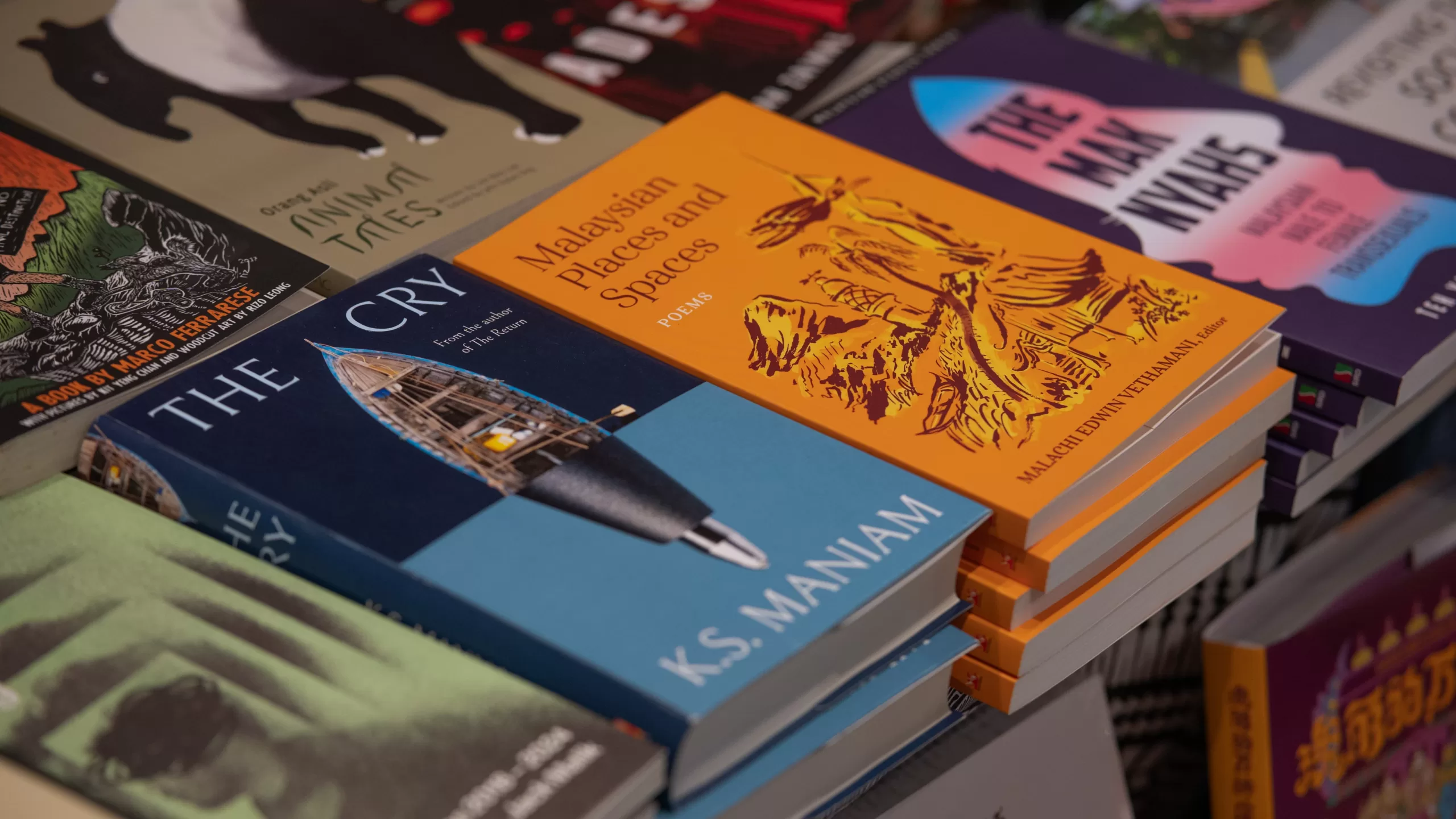
Two of the festival’s most resonant moments came courtesy of Maya Press, which used GTLF as the platform for a pair of closely linked but very different launches. First up was Malaysian Places and Spaces: Poems, edited by Malachi Edwin Vethamani. In an easy-going afternoon session, Vethamani introduced the anthology as a kind of cartography in verse, then ceded the floor to a rotating line-up of contributors. One by one, poets mapped their own streets, small towns, river bends, housing estates and half-vanished kampungs. Heard together, the readings felt like a live redrawing of Malaysia’s emotional geography: Penang and Kuala Lumpur sharing the stage with smaller, often overlooked places; tourist landmarks sitting beside intensely personal co-ordinates.
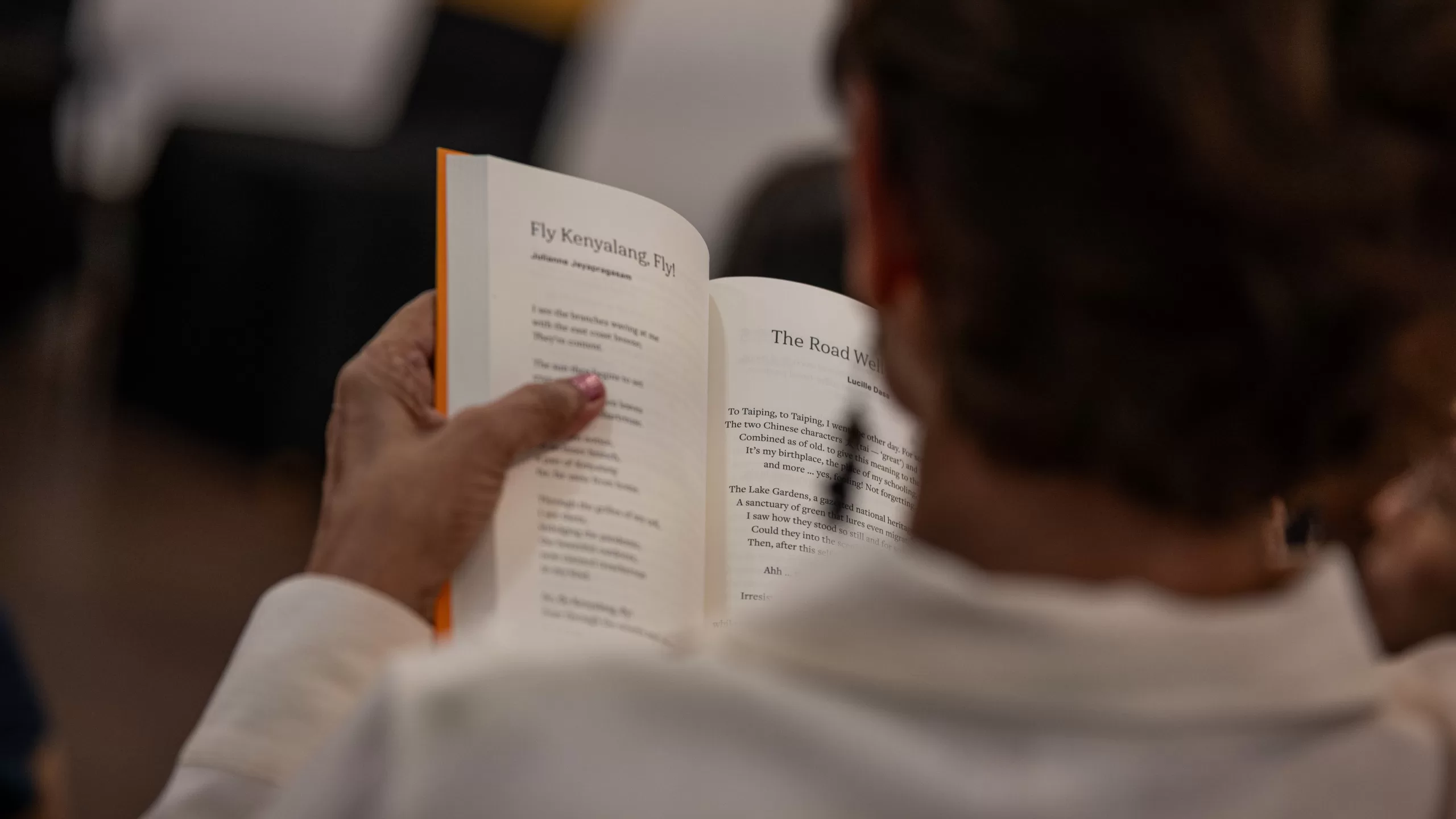
On the page, the collection gathers classic and contemporary voices into a portable atlas of experience, complicating any neat story of Malaysia as merely “heritage” and “food paradise”. If the anthology offers a many-voiced chorus of belonging and estrangement, the following morning’s launch of K.S. Maniam’s posthumous novel The Cry provided a single, grave, sustained counterpoint. Framed by Malachi Edwin Vethamani as both introduction and quiet farewell, the session walked the audience through Maniam’s long engagement with questions of spiritual rootedness, history and marginality before turning to the new book itself. Early readings suggest a difficult, slow-burning work that feels less like an afterthought and more like a summation: characters circling the possibility of reconnection with land and community in a world shaped by colonial capital and late-modern drift. Together, the two launches encapsulated what GTLF 2024 did best: holding individual reckoning and collective mapping in the same frame.
On the page, the anthology gathers classic and contemporary voices, especially emerging poets, into a kind of portable atlas of Malaysian experience. Some poems are sharply observational, others nostalgic, others angry with the quiet rage of those watching their neighbourhoods erased. Taken together, they complicate any neat branding of Malaysia as a land of simple “heritage” and “foodie heaven”. In the context of GTLF’s “Word on the Street” theme, the book feels like a core text: a reminder that places are not just coordinates but contested stories, and that poetry remains one of the most precise tools we have for registering those shifts.
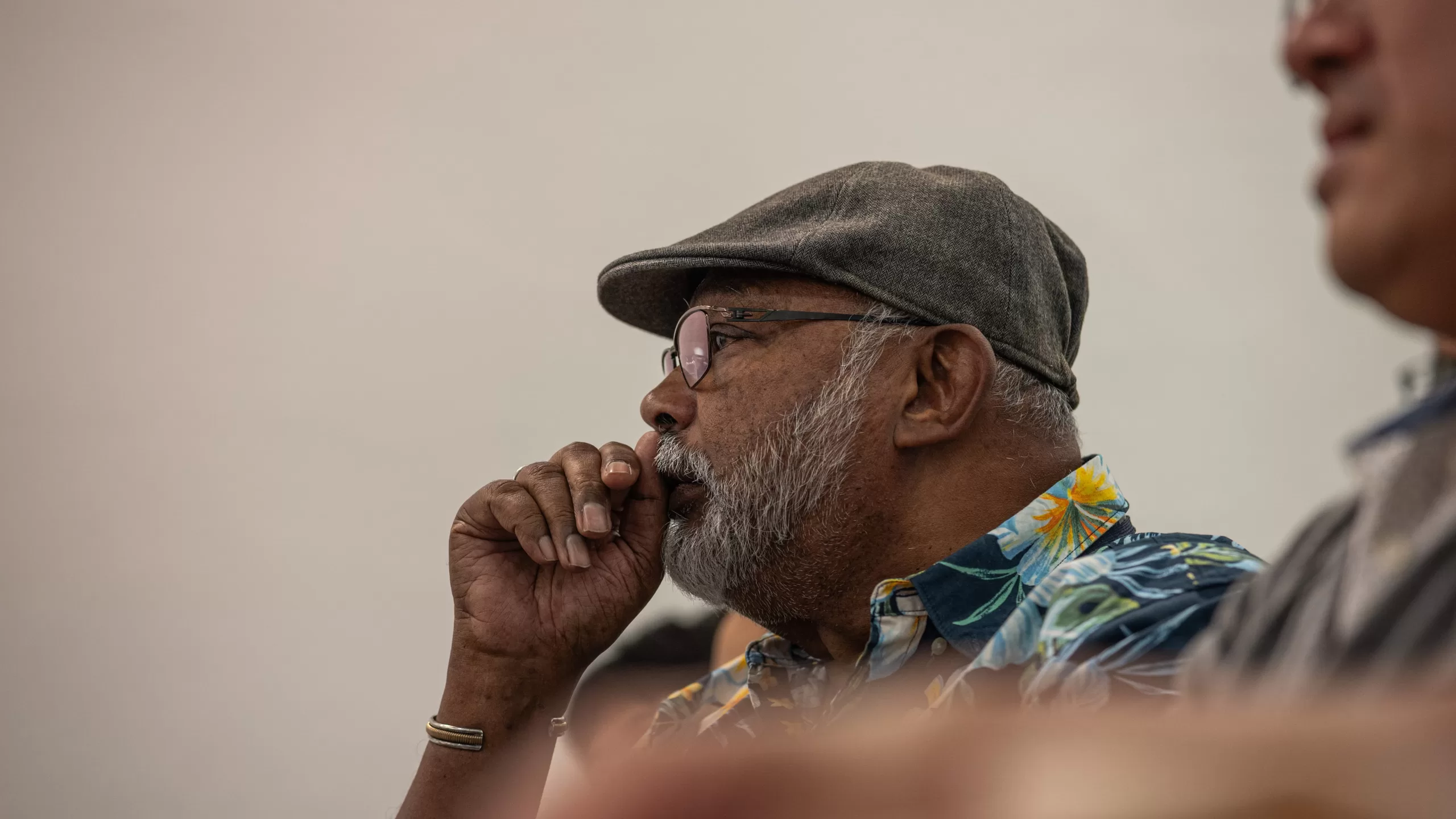
The festival’s sense of place has always been one of its secret weapons, but this year it felt particularly deliberate. Hosting events in repurposed heritage buildings meant that discussions of preservation, labour and migration were taking place inside structures that bear the marks of those very histories. Stepping out between sessions, you could see, in miniature, many of the issues being debated inside: migrant workers on their lunch break, tourists hunting street art, elderly residents navigating sidewalks increasingly designed for someone else.
GTLF’s political edge, once a loud part of its identity, has become subtler but no less present. The days when a single controversial session could dominate the headlines have given way to a more diffused, embedded criticality. Panels on censorship, book bans and shrinking civic space sat alongside discussions of romance, speculative fiction and children’s books, suggesting that the political is not a side topic but a texture running through all genres. Some might wish for more frontal confrontation with current national anxieties; others will welcome the refusal to turn writers into pundits. Either way, the questions were there, humming beneath conversations about language, desire and memory.
As always, there were trade-offs. Popular sessions filled up quickly; overlapping panels forced painful choices; and while the “street” focus gave the programme coherence, it also risked sidelining rural, indigenous and East Malaysian perspectives. Accessibility, physical and informational remains a work in progress. Yet the overall impression is of a festival in productive transition: leaning harder into its Penang-ness, foregrounding local concerns, but still porous to the region and the wider world.
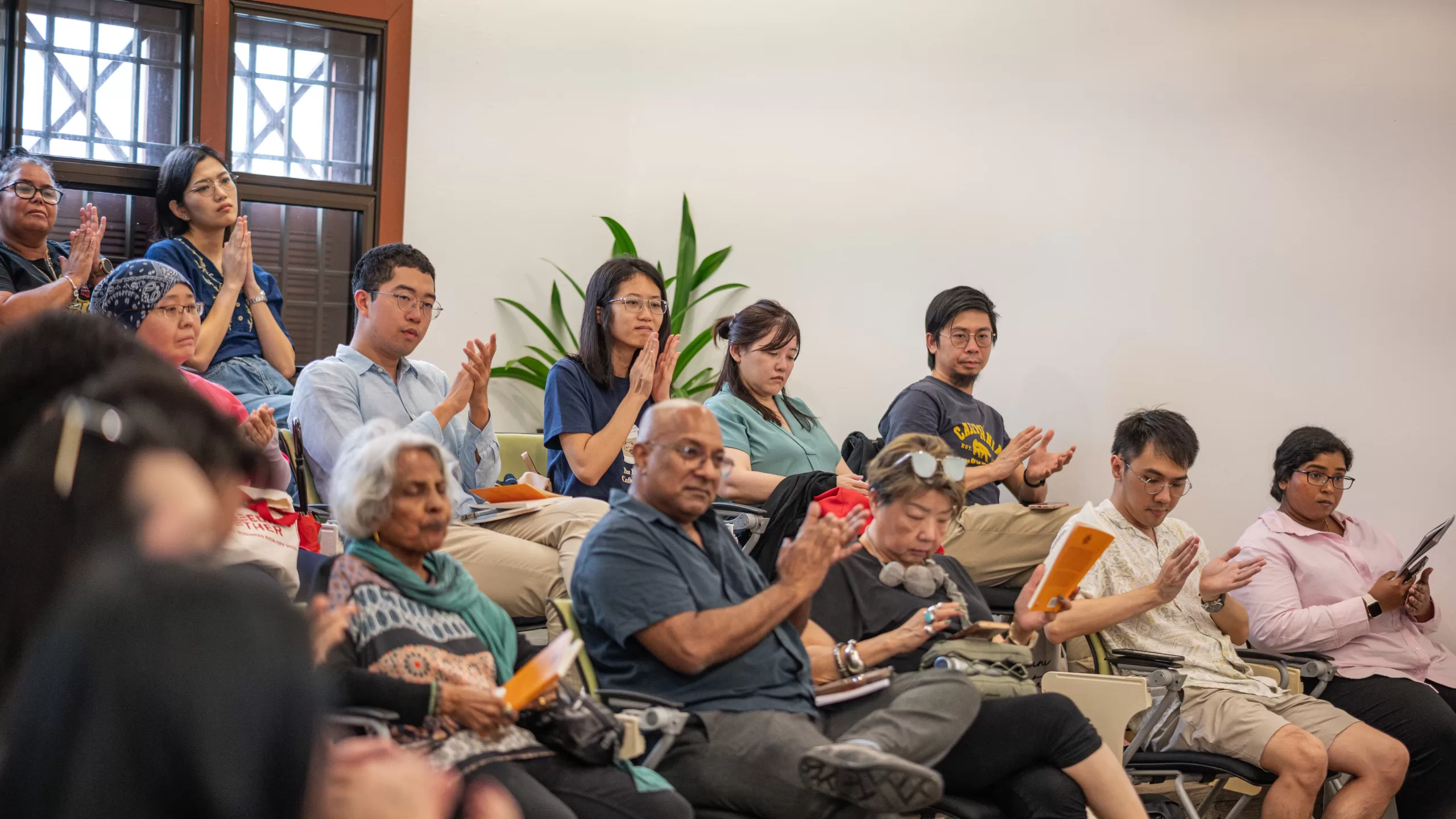
Taken together, the main programme and the Maya Press launches made a strong case for what a literary festival can be in this moment: not a parade of celebrity authors, but a temporary commons where books, ideas and lived experience meet on something like equal footing. The Cry offered one writer’s late, luminous reckoning with belonging; Malaysian Places and Spaces answered with a polyphonic mapping of the nation’s emotional geography. Around them, GTLF 2024 staged countless smaller encounters between strangers in hallways, between readers and writers, between the city and its own reflection.
“Word on the Street” might sound like a casual phrase, the sort of line you’d slap on a poster. At GTLF 2024, it became something more serious: an invitation to listen closely to the everyday ways people name their worlds, and to ask what responsibilities literature bears to those fragile, fugitive words.
G.V. Aeria is becoming an avid listener of audiobooks of every genre as their vision diminishes with age. They are also very thankful for text-to-speech (and vice-versa) technologies.
This article is a result of ARTSEE.NET’s initiative to re-involve the warga emas among us in seemingly hip circles, and to invigorate intergenerational conversations of art and culture.
Leave a Reply